

Neurodivergent Friendly Counselling Options Available

Navigating the world of mental health can be challenging, especially for neurodivergent individuals. Traditional counselling methods may not always resonate with those who think and process information differently. Fortunately, there are various counselling options tailored specifically for neurodivergent individuals, ensuring that everyone can find the support they need. This blog post explores these options, providing insights into their benefits and how they can be accessed.

Understanding Neurodiversity
Neurodiversity refers to the concept that neurological differences, such as autism, ADHD, dyslexia, and others, are natural variations of the human brain. This perspective emphasizes that these differences should not be viewed as deficits but rather as unique ways of experiencing the world. Understanding neurodiversity is crucial for creating effective counselling strategies that cater to diverse needs.
The Importance of Neurodivergent-Friendly Counselling
Counselling can be a lifeline for many, but traditional approaches may not always be effective for neurodivergent individuals. Here are some reasons why neurodivergent-friendly counselling is essential:
Tailored Approaches: Neurodivergent individuals may require different communication styles and therapeutic techniques. Counsellors trained in neurodiversity can adapt their methods to suit individual needs.
Safe Spaces: Creating an environment where neurodivergent individuals feel understood and accepted is vital. This can lead to more open and honest communication.
Empowerment: Neurodivergent-friendly counselling empowers individuals by validating their experiences and helping them develop coping strategies that work for them.
Types of Neurodivergent-Friendly Counselling
There are several counselling options available that cater specifically to neurodivergent individuals. Here are some of the most effective approaches:
1. Cognitive Behavioral Therapy (CBT)
Cognitive Behavioral Therapy is a widely used approach that focuses on identifying and changing negative thought patterns. For neurodivergent individuals, CBT can be adapted to accommodate different processing styles.
Benefits:
- Helps in managing anxiety and depression.
- Provides practical tools for coping with everyday challenges.
Example: A neurodivergent individual might work with a therapist to identify specific triggers for anxiety and develop personalized strategies to address them.
2. Play Therapy
Play therapy is particularly effective for children and adolescents who may struggle to express their feelings verbally. This approach uses play as a medium for communication, allowing young clients to explore their emotions in a safe environment.
Benefits:
- Encourages self-expression without the pressure of verbal communication.
- Helps in building trust between the therapist and the child.
Example: A child with autism may use toys to act out scenarios, helping the therapist understand their feelings and experiences.
3. Art Therapy
Art therapy allows individuals to express themselves creatively, which can be especially beneficial for those who find it difficult to articulate their thoughts and feelings. This form of therapy can be used with people of all ages.
Benefits:
- Provides a non-verbal outlet for emotions.
- Can help in processing complex feelings and experiences.
Example: An adult with ADHD might create a visual representation of their daily challenges, allowing the therapist to discuss these issues in a more tangible way.
4. Mindfulness-Based Therapy
Mindfulness-based therapy incorporates techniques such as meditation and breathing exercises to help individuals stay present and manage stress. This approach can be particularly beneficial for neurodivergent individuals who may experience overwhelming emotions.
Benefits:
- Reduces anxiety and improves emotional regulation.
- Encourages self-awareness and acceptance.
Example: A neurodivergent individual might learn mindfulness techniques to help manage sensory overload in social situations.
5. Neurofeedback Therapy
Neurofeedback therapy is a cutting-edge approach that uses real-time displays of brain activity to teach self-regulation of brain function. This method can be particularly effective for individuals with ADHD and other attention-related challenges.
Benefits:
- Provides immediate feedback on brain activity.
- Can lead to improvements in focus and emotional regulation.
Example: A client with ADHD might engage in neurofeedback sessions to learn how to maintain focus during tasks.
Finding the Right Counsellor
When seeking neurodivergent-friendly counselling, it is essential to find a therapist who understands and respects neurodiversity. Here are some tips for finding the right professional:
Research Credentials: Look for therapists who have specific training in neurodiversity or experience working with neurodivergent clients.
Ask Questions: Don’t hesitate to ask potential therapists about their approach to counselling neurodivergent individuals. This can help you gauge their understanding and compatibility with your needs.
Trust Your Instincts: It’s important to feel comfortable with your therapist. If something doesn’t feel right, it’s okay to seek someone else.
The Role of Support Groups
In addition to individual counselling, support groups can provide valuable resources and community for neurodivergent individuals. These groups offer a space to share experiences, learn from others, and build connections.
Benefits of Support Groups
Shared Experiences: Hearing from others who face similar challenges can be validating and comforting.
Resource Sharing: Members often share tips, strategies, and resources that have worked for them.
Community Building: Support groups foster a sense of belonging and understanding among participants.
Online Counselling Options
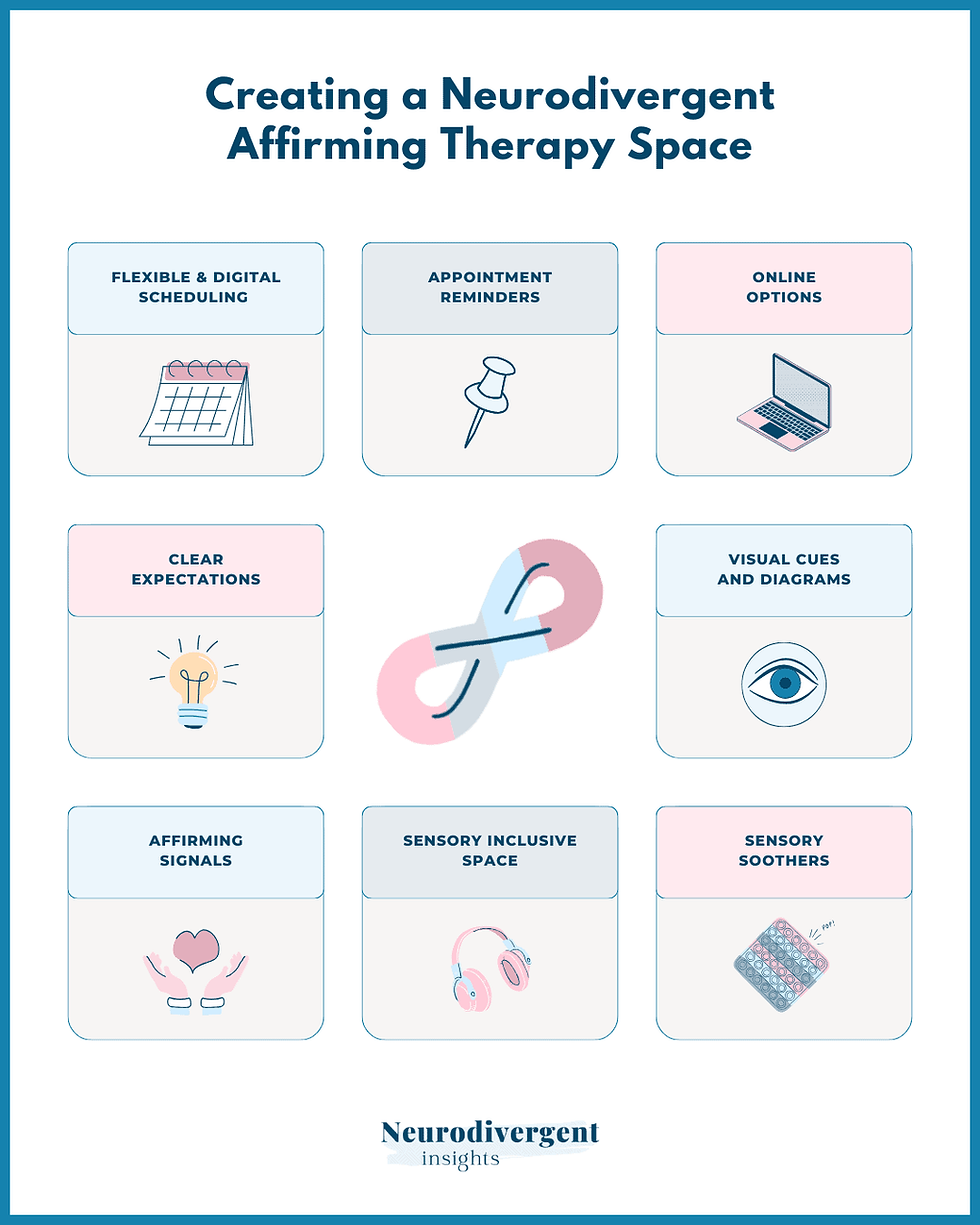
With the rise of telehealth, many neurodivergent individuals now have access to online counselling options. This can be particularly beneficial for those who may find in-person sessions overwhelming or inaccessible.
Advantages of Online Counselling
Convenience: Access therapy from the comfort of your own home.
Wider Selection: Online platforms often provide access to a broader range of therapists, including those specializing in neurodiversity.
Flexible Scheduling: Many online therapists offer flexible hours, making it easier to fit sessions into busy schedules.
Conclusion
Neurodivergent-friendly counselling options are essential for ensuring that all individuals receive the support they need. By understanding the unique needs of neurodivergent individuals and exploring various therapeutic approaches, we can create a more inclusive mental health landscape. Whether through traditional methods like CBT or innovative approaches like neurofeedback, there is a path to healing and growth for everyone.
If you or someone you know is seeking support, consider exploring these options and finding a counselling approach that resonates. Remember, you are not alone in this journey, and there are resources available to help you thrive.


Comments